
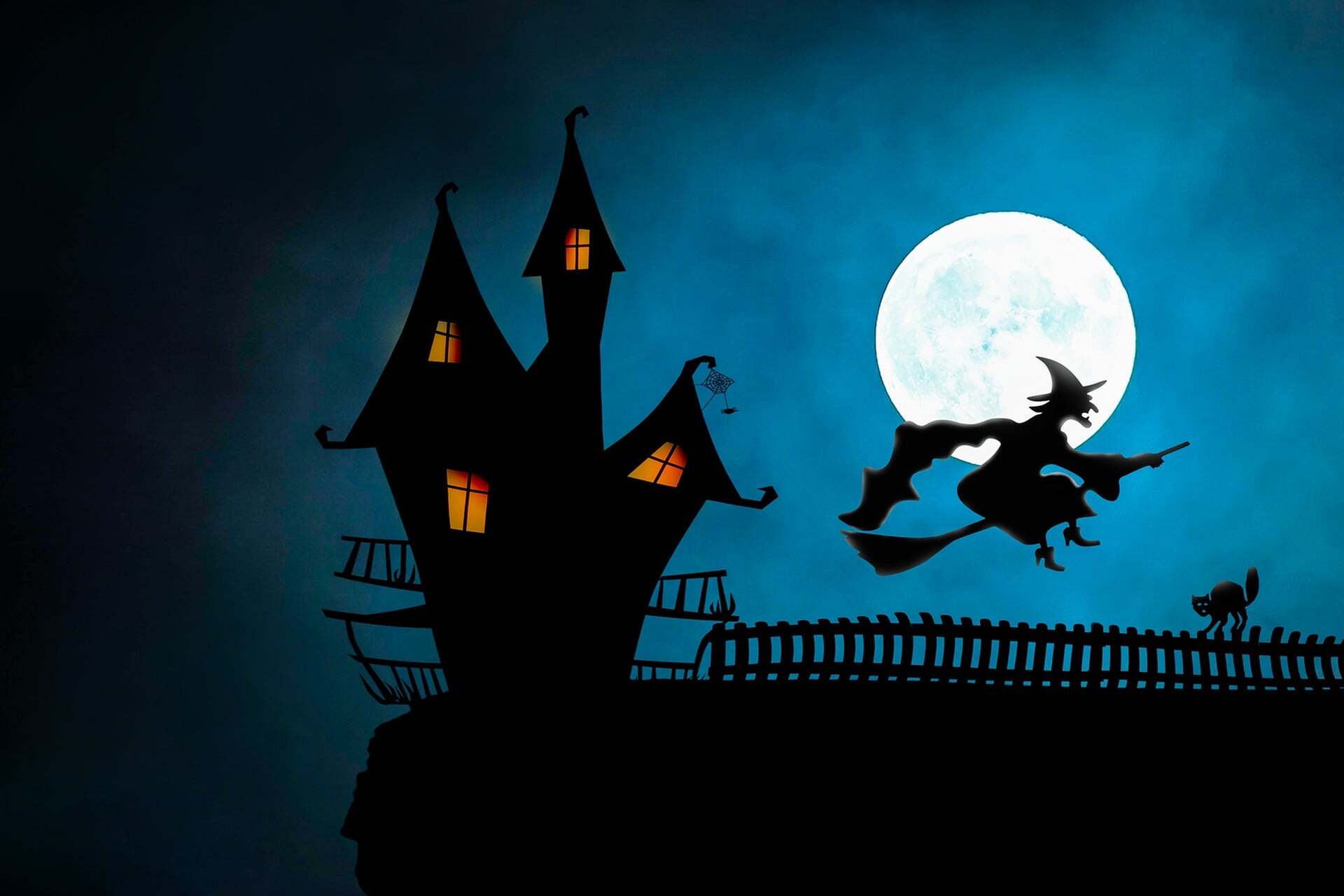
Happy Halloween!
Unveiling the Mysteries: The History of Halloween Halloween is a holiday that delights people of all ages with its spooky charm and festive fun. But have you ever wondered about the origins of this beloved celebration? Let's take a journey through time to discover the fascinating history of Halloween and how it has evolved into the holiday we know today. Ancient Roots: The Celtic Festival of Samhain The story of Halloween begins over 2,000 years ago with the ancient Celts who lived in what is now Ireland, the United Kingdom, and northern France. They celebrated a festival called Samhain (pronounced "sow-in") on the night of October 31st. This festival marked the end of the harvest season and the beginning of winter, a time often associated with death and darkness. The Celts believed that on this night, the boundary between the living and the dead was blurred, allowing spirits to roam the earth. During Samhain, people would light bonfires to ward off evil spirits and wear costumes made of animal skins to disguise themselves from wandering ghosts. They also left offerings of food outside their homes to appease these spirits and ensure a bountiful harvest in the coming year. This ancient festival laid the groundwork for many of the Halloween traditions we still enjoy today. The Influence of Christianity: All Hallows' Eve As Christianity spread across Europe, the Church sought to replace pagan festivals like Samhain with Christian holidays. In the 8th century, Pope Gregory III designated November 1st as All Saints' Day, a day to honor all saints and martyrs. The evening before, October 31st, became known as All Hallows' Eve, which eventually evolved into "Halloween." During this time, many of the old Samhain traditions were incorporated into the Christian celebration. People continued to light bonfires and wear costumes, but now they also attended church services and held feasts in honor of the saints. The practice of "souling" emerged, where children and poor people would go door-to-door offering prayers for the dead in exchange for "soul cakes," a precursor to modern-day trick-or-treating. Halloween Comes to America Halloween made its way to America in the 19th century, brought by Irish and Scottish immigrants who fled the potato famine. They brought with them their Halloween customs, which quickly spread across the country. By the late 1800s, Halloween had become a popular community event, with parties and parades celebrating the holiday. In the early 20th century, Halloween began to shift from a religious and superstitious holiday to a more secular and family-friendly celebration. The focus moved towards community gatherings, games, and festive foods. Trick-or-treating became a widespread practice in the 1920s and 1930s, as children dressed in costumes went from house to house collecting candy and treats. Today, Halloween is a vibrant and diverse holiday celebrated by people of all ages. From haunted houses and pumpkin patches to costume parties and candy-filled trick-or-treating adventures, Halloween continues to capture the imagination and bring people together in the spirit of fun and fright. As we enjoy the festivities, let's remember the rich history behind this enchanting holiday and the many cultures that have contributed to its evolution.
Read more